
How to Prepare Your Car for Winter in the North East


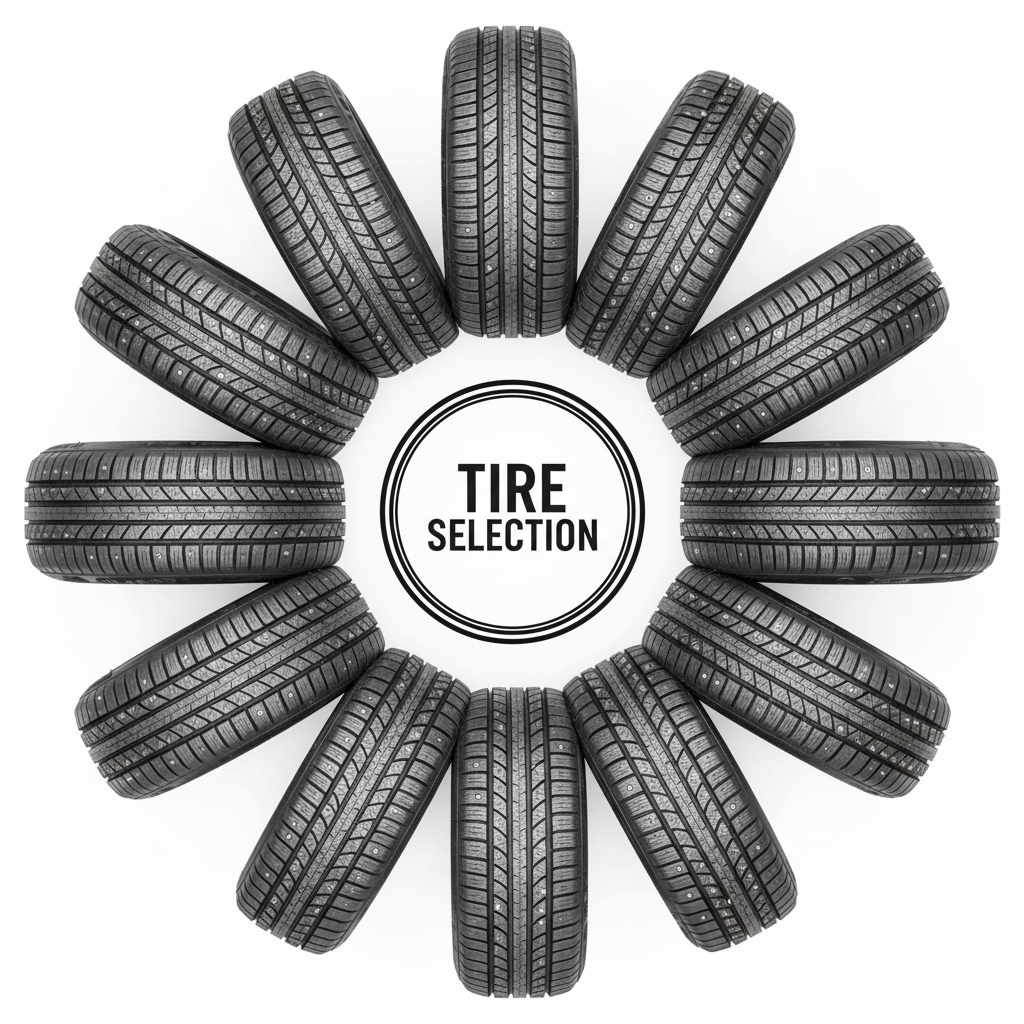
Inspect Your Tires
One of the most crucial steps in preparing your car for winter in the North East is ensuring that your tires are up to the challenge. Winter tires are specifically designed to handle snow and ice, providing better traction and control. If you already have all-season tires, check the tread depth to ensure they are not worn out. Consider switching to snow tires for optimal safety.
Check Your Battery
Cold temperatures can significantly affect your car's battery performance. To avoid being stranded in freezing weather, test your battery to ensure it's fully charged and in good condition. If your battery is more than three years old, consider replacing it to prevent unexpected failures.
Battery Maintenance Tips
Keep the battery terminals clean and free from corrosion. You can use a mixture of baking soda and water to clean them. Additionally, ensure that the battery is securely mounted to reduce vibration, which can shorten its lifespan.
Replace Wiper Blades and Refill Washer Fluid
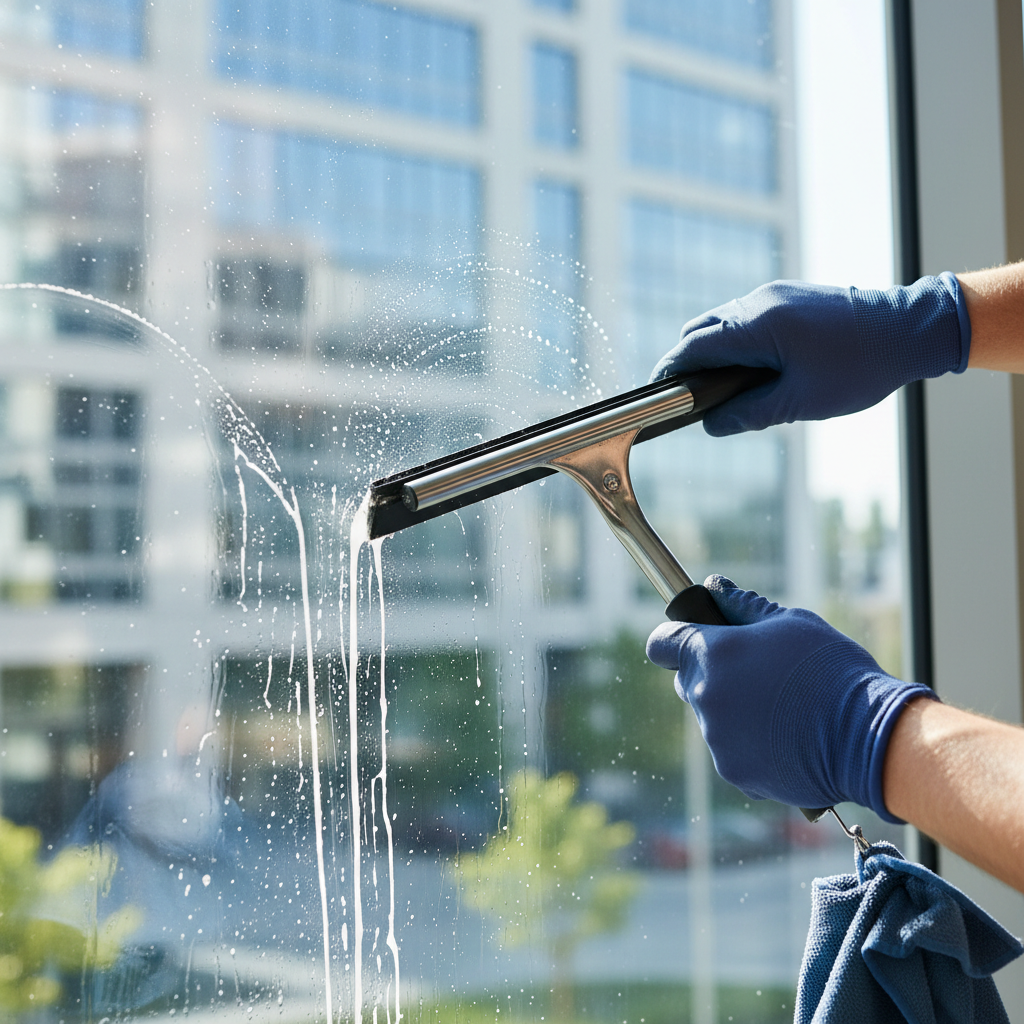
Driving in winter often means dealing with snow, sleet, and salt on the roads. Make sure your windshield wipers are in excellent condition to maintain visibility. Consider using winter wiper blades designed to handle heavy snow and ice. Also, refill your washer fluid with a solution that won't freeze in low temperatures.
Inspect Defrosters and Heaters
Your car's defrosters and heaters are vital for comfort and safety during the winter months. Check that they are working properly before the cold sets in. If you notice any issues, have them repaired promptly to ensure clear windows and a warm cabin.
Check Your Antifreeze Levels
Antifreeze, or coolant, is essential for preventing the engine from freezing in cold temperatures. Ensure that your car has the correct antifreeze mixture by checking the levels and topping up if necessary. A 50/50 mix of antifreeze and water is generally recommended for winter conditions.
Inspect Belts and Hoses
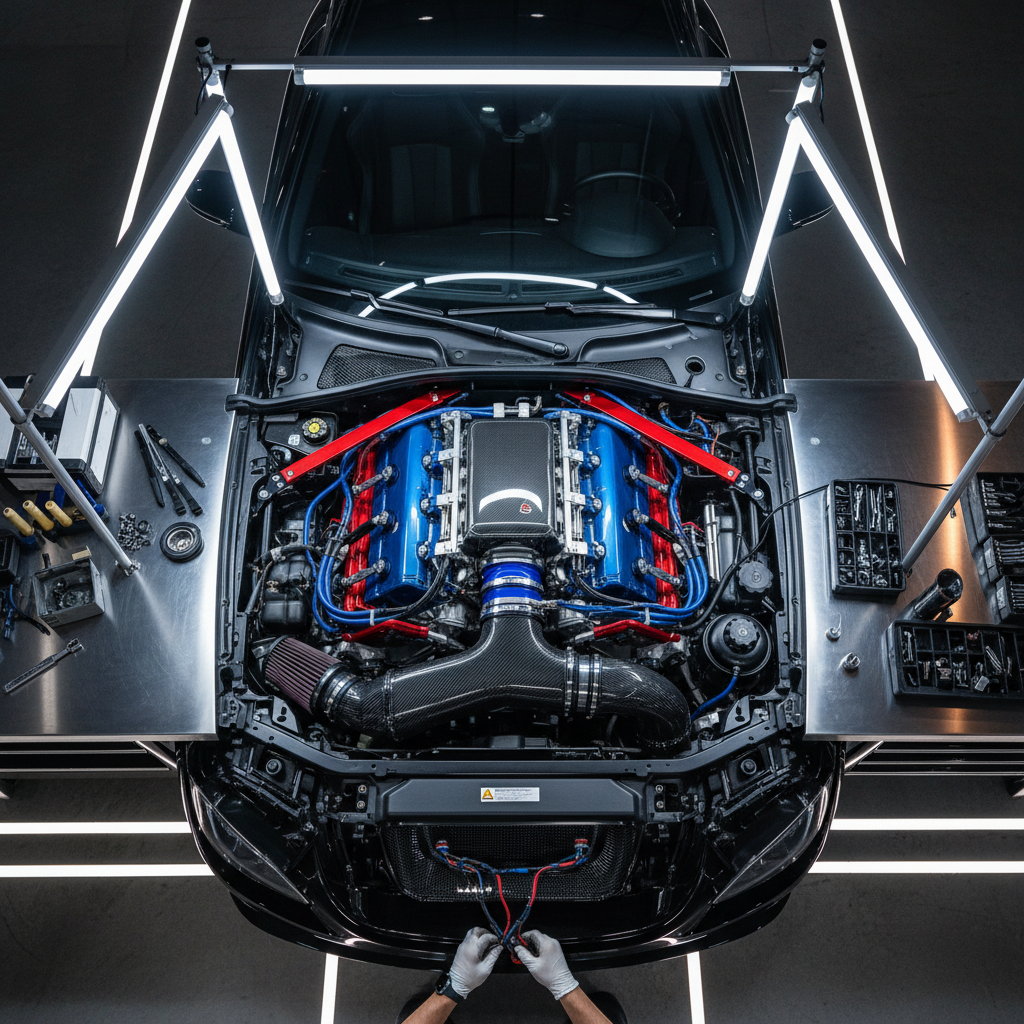
Cold weather can cause belts and hoses to become brittle and prone to cracking. Inspect them for any signs of wear and replace them if needed. Doing this can prevent breakdowns and costly repairs down the line.
Prepare an Emergency Kit
Even with the best preparation, emergencies can happen. Equip your car with an emergency kit that includes blankets, a flashlight, extra batteries, snacks, water, and a first-aid kit. Additionally, carry jumper cables, a small shovel, and an ice scraper to handle unexpected winter challenges.
Stay Informed
Before heading out on the road, check the weather forecast and road conditions. Staying informed will help you plan your journey better and avoid hazardous situations. Adjust your driving habits to the conditions, keeping a safe distance from other vehicles and driving at reduced speeds when necessary.